Dog Dex #004 — Great Pyrenees · The Grass-Type
Dog Dex · Entry #004
🌿 GRASS-TypeGreat Pyrenees
“Mountain Silence” — sits still for 11 hours guarding a flock, then absorbs a wolf attack
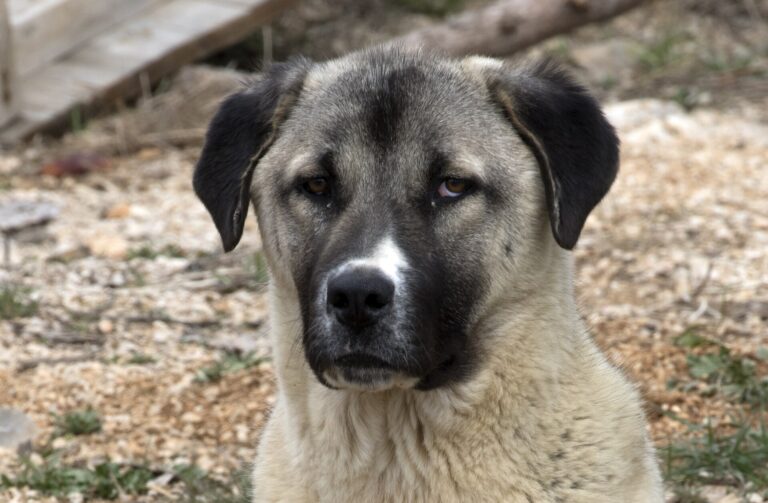
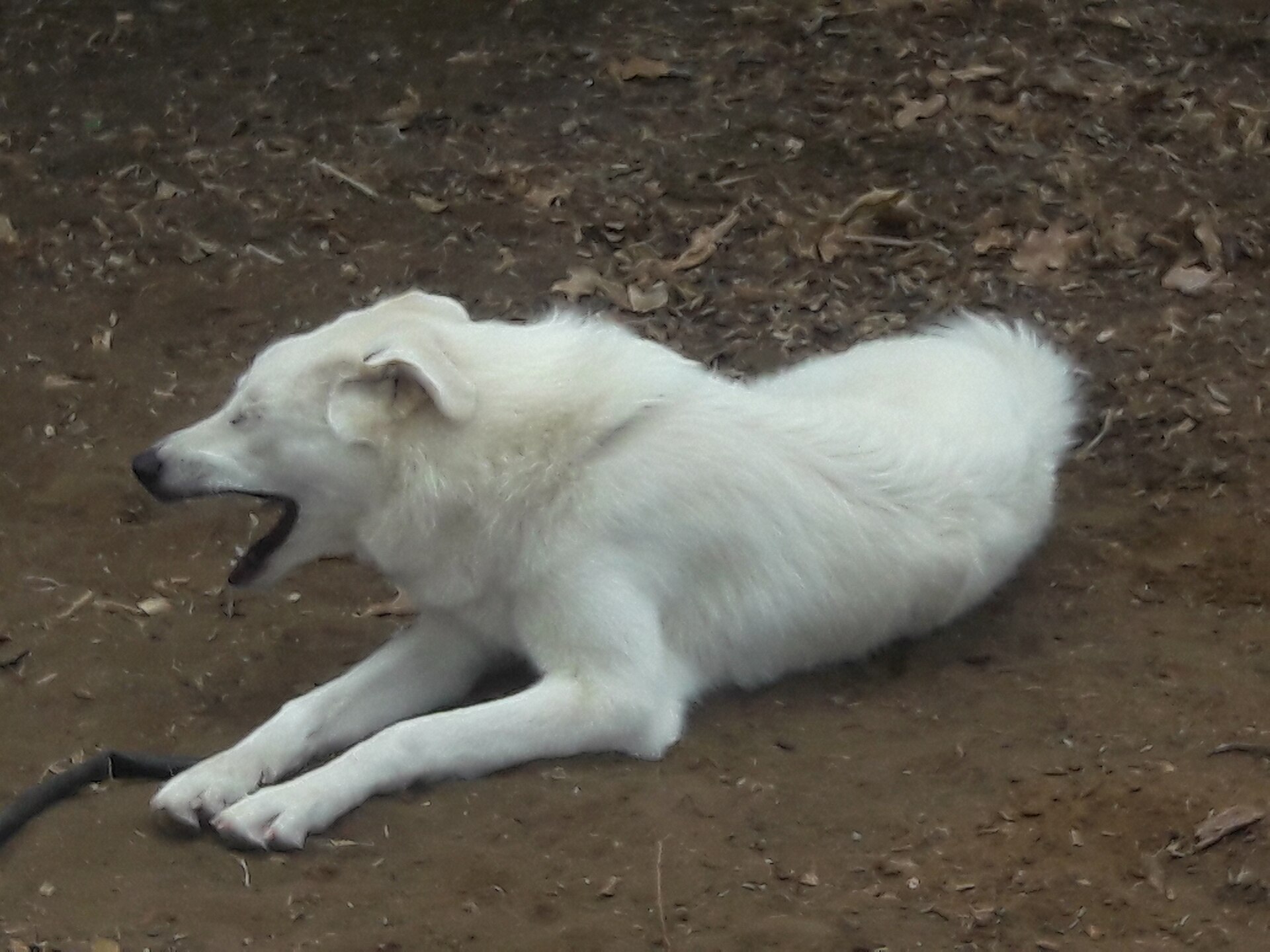
Photo: Usernet123u / Wikimedia Commons (CC BY-SA 4.0)
Great Pyrenees
“Mountain Silence” — sits still for 11 hours guarding a flock, then absorbs a wolf attack
Signature Move
Mountain Silence
A meditative stillness that reads as boredom but is actually total sensory awareness. Great Pyrenees can hold position for eleven hours in a Pyrenean field, alert to every movement within 300 yards, without moving a single muscle. When threat arrives, the response is instantaneous and physically overwhelming, then the dog returns to stillness.
Origin
Pyrenees Mountains · pre-3000 BCE
Weight
85–115 lbs
Height
25–32 in
Coat
White double coat, wolf-resistant
Why they’re Grass-type
Grass-type dogs share three traits: they radiate calm, they occupy space quietly, and they treat ‘nothing happening’ as the correct state of the world. Great Pyrenees are the ultimate expression of this. They are big, slow, deeply patient, and completely uninterested in performance for humans. When they show up in a room, the room settles. Their genetic lineage traces to Asian mountain guardians who reached the Pyrenees before the Romans, then spent three thousand years perfecting the art of the extremely long, extremely quiet shift.
The story
The Great Pyrenees emerged in the Pyrenees Mountains between France and Spain, where shepherds needed a dog that could survive alpine winters, stand up to wolves and bears, and — most importantly — not require constant direction from a shepherd. The result is a breed that operates on its own judgment. In 1675, King Louis XIV of France declared the Great Pyrenees the ‘Royal Dog of France’ after being impressed by their guardianship of the Château de Lourdes. Today, they are still used as livestock guardian dogs in the western United States, where they protect sheep from coyotes, wolves, and mountain lions on ranges too vast for human oversight.
Famous Great Pyreneess
- Great Pyrenees of the Louvre — the breed was kept as a status dog in French royal courts for centuries. Depictions appear in seventeenth-century French portraiture as symbols of loyalty and patience.
- Modern LGD programs — Great Pyrenees deployed by the USDA Wildlife Services in Montana have reduced sheep losses to predators by up to 93% at guarded ranches.
- Their nocturnal habit — Great Pyrenees are one of the few breeds naturally most active at night. They evolved this to guard against nocturnal predators — coyotes and wolves — which is why owners frequently report their Pyrenees ‘talking’ (deep, slow barks) into empty darkness at 3 a.m.
Should your dog be a Grass-type Pokedog?
If your dog is bigger than you, quieter than you, occasionally impossible to move, and clearly has an internal life you’ll never fully understand — that’s the Grass read. Great Pyrenees, Bernese Mountain Dogs, Newfoundlands, Great Danes at rest, and Saint Bernards all live here.
Make your dog a Grass-type Pokedog
Free preview card of your dog as their creature. Yours to keep, no matter what.
Start with your dog’s photo →